Attention: You need JavaScript enabled to use this site.
Corporate governance is the system by which companies are directed and controlled. Discover how we apply the guidelines and principles put in place, ensuring that the Society is able to reach its goals and objectives in a way that benefits its members and stakeholders alike.
Corporate governance is a complex and wide-reaching field, but in its simplest form it can be expressed as:
"... the system by which companies are directed and controlled" (Cadbury Report, 1992)
One of the most important aspects behind corporate governance is the relationship between "stakeholders" - for example, the Board of the company (or for the West Brom, the Society) and the shareholders (or for the West Brom, the members).
If a business is governed well, it will attempt to take account of the interests of all stakeholders - and, as far as possible, look for solutions which are in the best interests for all concerned.
This does not necessarily mean that decisions will always be welcomed by certain stakeholders - but the decision will at least have been thoroughly discussed by board members who are determined to act in the best interests of the business.
The Board is committed to high standards of corporate governance and believes they are central to the Society’s culture and values. The widely accepted articulation of good practice is the UK Corporate Governance Code (the Code). The Society is not required to and does not comply with the Code, as it applies to publicly listed companies, but where it is considered relevant, the Society does have regard to its principles.
The Society is run on a day to day basis by its Senior Management Team, and governed by a Board which consists of both Executive and Non-Executive Directors. As part of their role as members of a unitary board, Non-Executive Directors should constructively challenge and help develop proposals on strategy.
The positions of Chair and Chief Executive are held by different people. The role of the Chair includes establishing and developing an effective Board to provide support and constructive challenge to the management team. The Chief Executive has overall responsibility for managing the Society and implementing Board agreed strategy. This clear division of responsibility helps to ensure that no one individual has unfettered powers of decision making and influence.
We take corporate governance very seriously and see it as being integral to our decision making process (not some type of ‘add on’ or ‘box-ticking exercise’). We assess developments in corporate governance and apply those which are relevant to us as a building society.
Simply put - because the West Brom supports people’s financial wellbeing, whether it be savings, investments or mortgages. As such, we always want to do the right thing for our members.
Corporate governance is a means of ensuring that doing the right thing is achieved through a clear and unbiased decision making process, and that deciding the ‘right thing’ has involved taking account of relevant stakeholders.
Gaining regular insight from these stakeholders is therefore extremely important. We continually monitor satisfaction among our members and have open channels of communication to invite and capture feedback, helping us to drive through change.
The Member Council was introduced in 2019 to act as a consultative group representing the people the Society serves. Comprising of a diverse range of West Brom members, the Council meets on a quarterly basis to offer their perspective on specific Board and business matters.
There is a similar group, our Employee Council, discussing similar topics from an internal standpoint, which means important stakeholder voices and priorities are considered when the Board and Senior Leadership Team are making important strategic decisions.
As a financial institution, we are not just judged by our members, but also by other institutions that we deal with. These other institutions want to ensure that we are a trustworthy business partner. Showing that we are enables us to achieve better business deals - which can then be used to benefit our members.
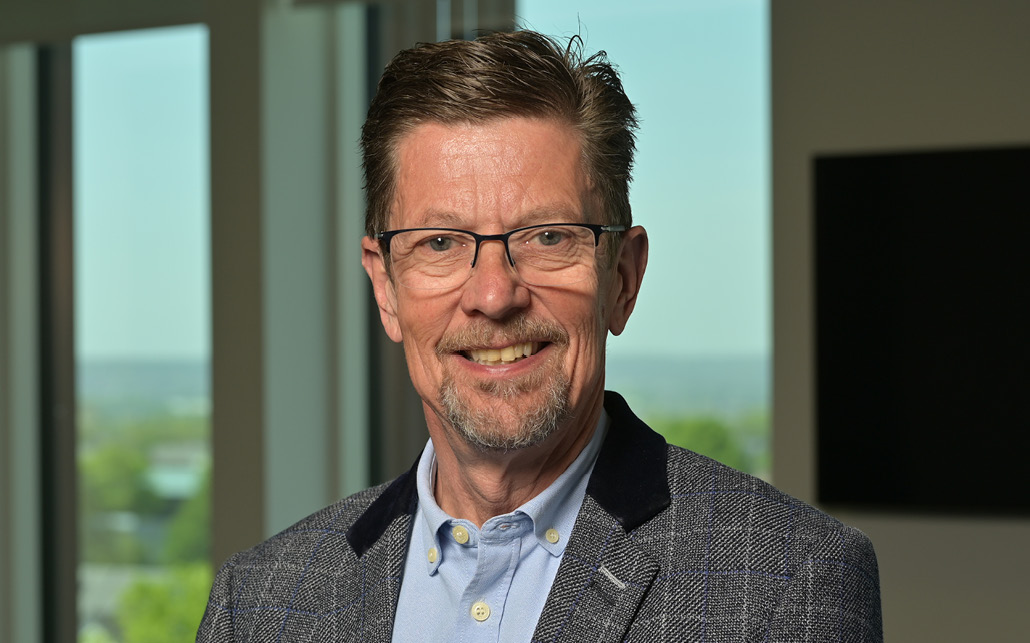
Committees - Chair of the Nominations & Governance Committee and member of the Remuneration & People Committee
John’s an experienced board member having served on boards across financial services, public and private sectors, not-for-profit, and private-equity backed businesses. He also has experience chairing purpose-led organisations – having been Chair of Good Energy for over six years.
John’s currently Chair of Allica Bank and Chair of Max Nicholas Renewables. John was previously on the Board of Trustees for the National Citizens Service Trust, and in recognition of this role was awarded an MBE in 2022.
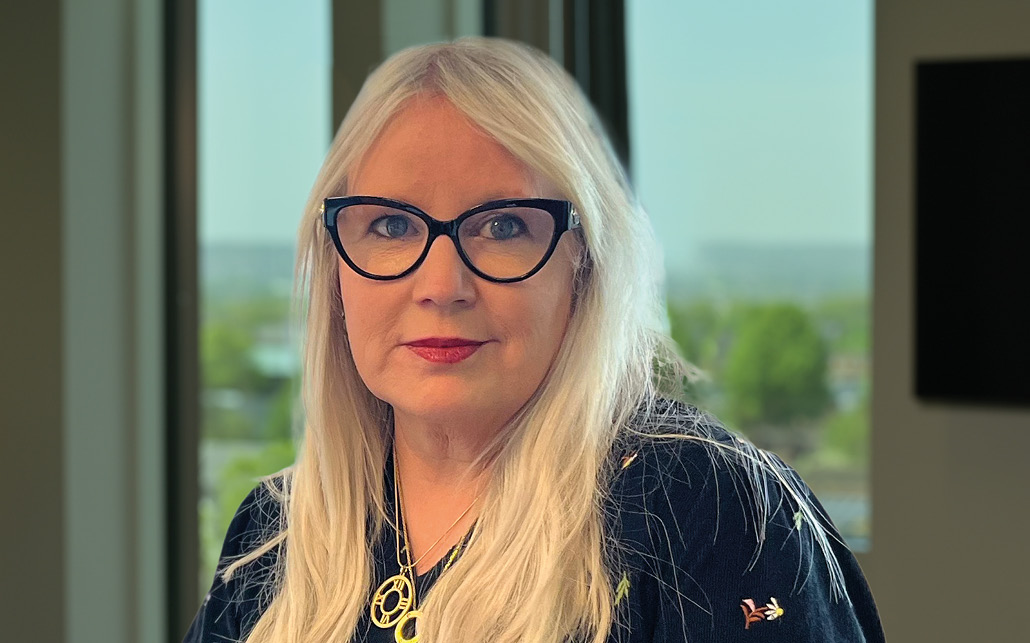
Committees - Chair of the Remuneration & People Committee and member of Risk and Nominations & Governance Committees
Lynne has over 30 years’ experience within HR. Working within the energy and financial services industries, this has included HR Director roles across Retail, Business and Corporate Banking and across global regions. In January 2022 she joined the Board of Trustees for Action for Children, helping children grow up safe and happy. She was awarded an MBE in 2017 for services to HR in banking, for the work of herself and her team in driving apprenticeships and other inclusive working programmes.
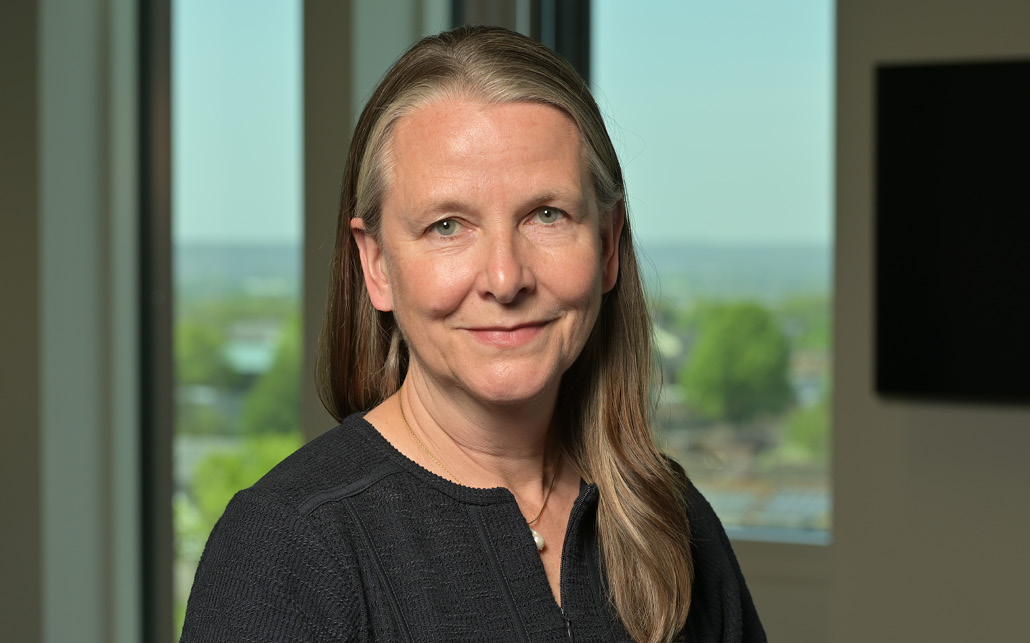
Committees - Member of Remuneration & People and Risk Committees
Sara has over 15 years of experience in retail financial services, having worked in senior roles at Nationwide and Barclays. Before that, she worked in advertising agencies in the UK and Asia for well-known brands. She also serves as a Non-Executive Director on other Boards within the regulated sector and beyond.
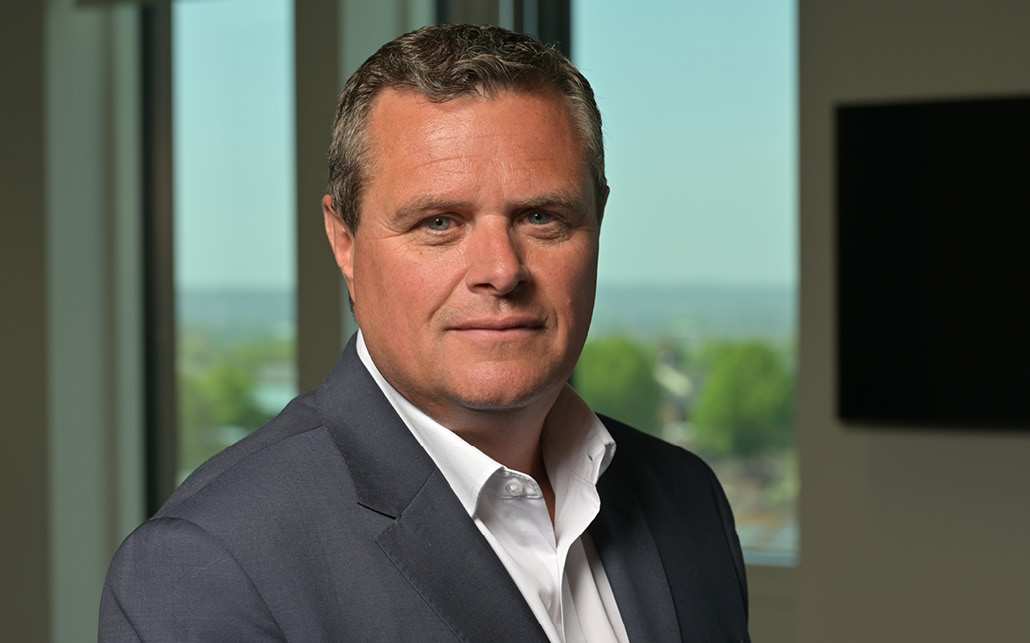
Committees - Member of Executive and Executive Risk Committees
Martin’s an experienced change and operations leader with extensive retail banking expertise, most recently as Chief Transformation Officer at Metro Bank Plc, where he sat on the Group Executive Committee. He’s also held senior roles at Nationwide and Portman building societies, Visa Europe and Accenture.
Martin has a wealth of experience leading transformation and managing large-scale operations. He’s responsible for modernising and digitising our infrastructure and operations to better serve our current and future customers.
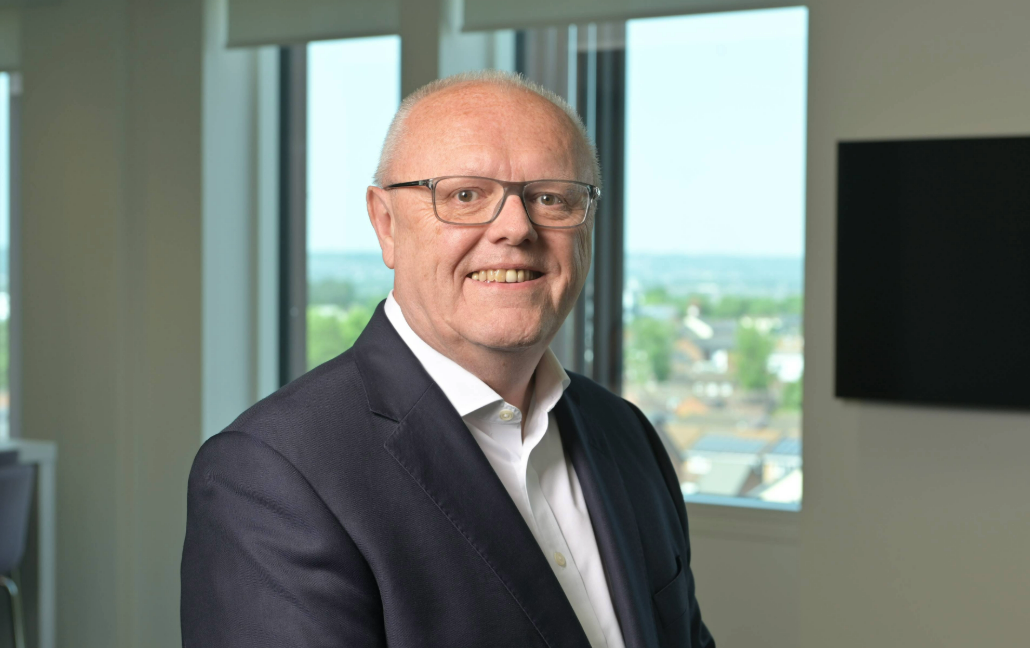
Committees - Chair of the Risk Committee and member of Audit and Remuneration & People Committees
Russell has a wealth of experience from a 40 year Regulated Financial Services career including strategy formulation, Risk Management , cultural change, colleague engagement, balance sheet and P&L leadership, product and proposition development, transformation programme leadership, marketing, data and personalisation development. He left Lloyds Banking Group as CEO Retail Banking leading 40,000 colleagues across the Lloyds, Halifax and Bank of Scotland Retail Banks. He has previous experience as a Non-Executive Director for Yorkshire Housing, a major social landlord and housebuilder where he also chaired their Audit and Risk Committee.
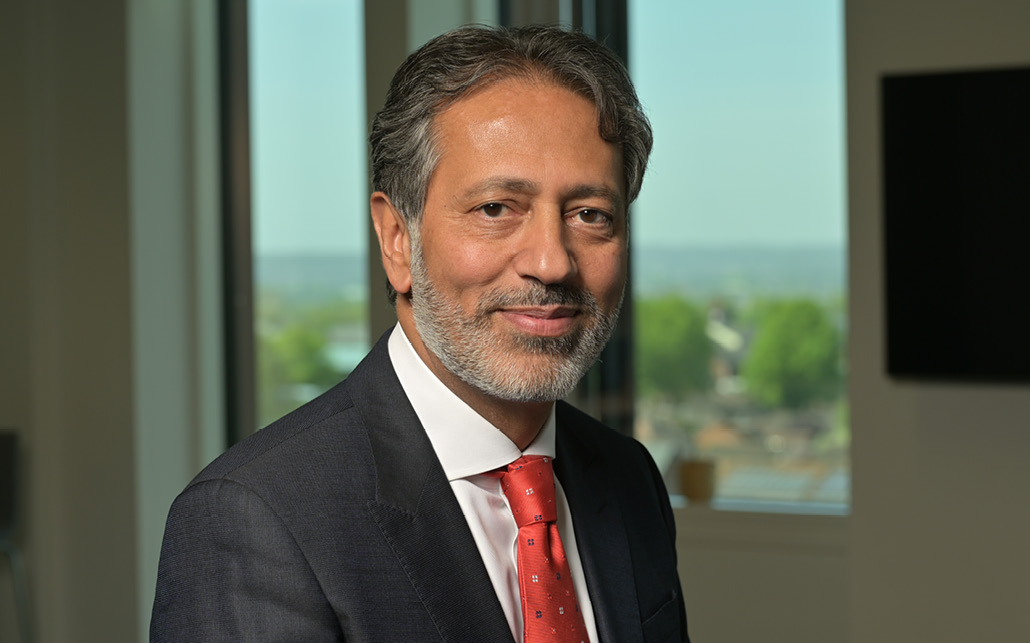
Committees - Chair of Executive Risk Committee, member of Executive and Assets & Liabilities Committees
Manjit joined us in 2006. Before this, he was at the Britannia Building Society for five years. In total he has over 30 years of financial services experience, having started his career at NatWest Mortgage Services, and in risk related roles since 1993.
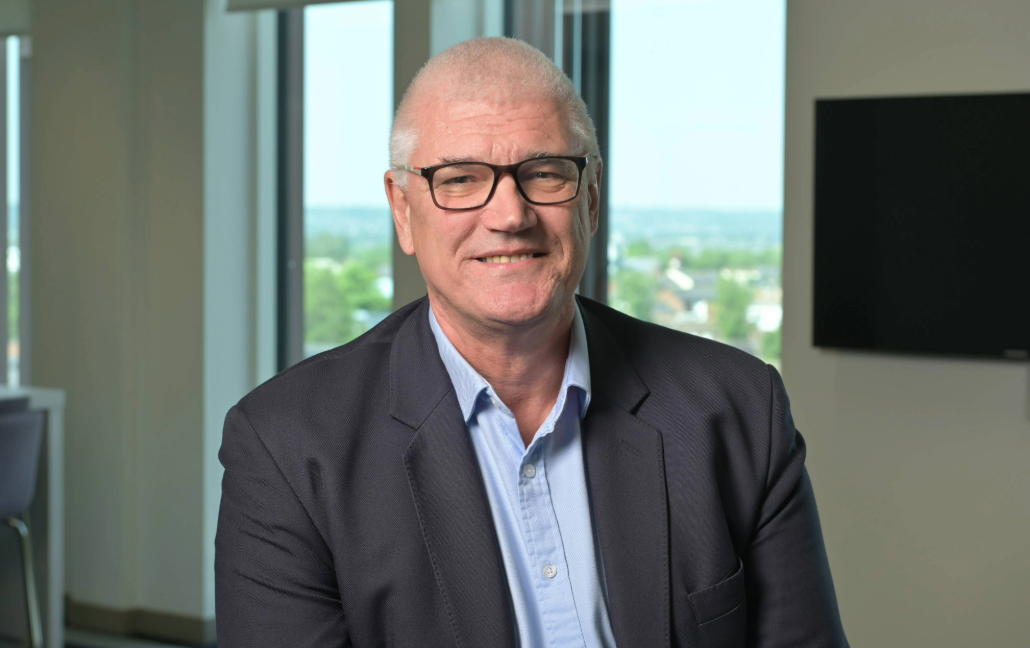
Committees - Chair of Audit Committee and member of Risk and Nominations & Governance Committees
Phillip is an experienced board director and brings executive, hands on experience across retail financial services, government workout, and energy infrastructure, combining finance and treasury leadership with risk management and execution of organisational change. He has held senior roles including GFD and later CRO at Calisen, and earlier appointments include Finance Director at UKAR and at Provident Financial’s consumer credit division, covering all aspects of financial management.

Committees - Member of Audit, Nominations & Governance and Risk Committees
Nimisha is a highly experienced executive leader with over 23 years of experience in technology, digital transformation, and cyber security. She’s made a significant impact across both private and public sectors, including financial services, healthcare, energy, and automotive manufacturing. She’s currently the Group CIO at Mishcon de Raya.
Nimisha was Chief Digital and Information Officer for Bupa and HM Cabinet Office. She was also on the Board of Bank North, where she was a member of the Bank’s Audit, Risk and Remuneration Committees.
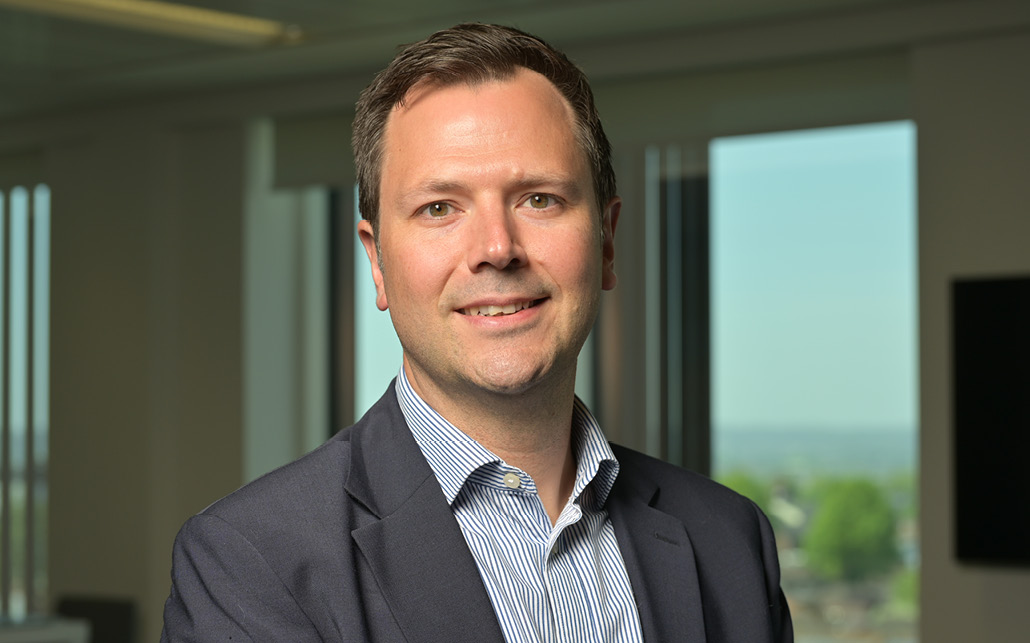
Committees - Chair of Assets & Liabilities Committee, member of Executive and Executive Risk Committees
Alex joined our Board having been promoted to Chief Financial Officer after spending the preceding six years in different roles in the Society’s Treasury and Finance team. Prior to joining the West Brom, he spent over a decade working for Deloitte, where he qualified as a Chartered Accountant, and specialised in the financial services sector.

Committees - Chair of Executive Committee, Chair of the Employee Council, Member of Assets & Liabilities and Executive Risk Committees
Jonathan has spent over 40 years in financial services, mainly in the building society sector. He served as Finance Director at two building societies before joining the West Brom Board, initially as Finance Director and Deputy Chief Executive. He was appointed as Chief Executive Officer in May 2011. Jonathan is also a past Chair of the Building Societies Association and currently serves as a Non-Executive Director of Livv Housing Group.
This comprises matters which ONLY the Board can decide upon. These may be decisions which involve large sums of money, fundamental strategic decisions or decisions as to key personnel. These matters can be delegated by the Board (to one of the Board committees, for example) - but the Board must first consider the matter before doing so.
The Board is supported by a number of Committees each with Board approved terms of reference. Details of those Committees and their key activities can be found here.
You may find the following links useful if you want to find out more about Corporate Governance.